
When a clogged drain is an emergency
A single slow bathroom sink can wait until morning. Water rising in a tub, a toilet that bubbles when you flush, or several drains slowing at once cannot. Those signs point to a blockage in the main drain line, and every shower or load of laundry pushes more water toward the lowest opening in the house.
Our 24/7 line is staffed for exactly this call. While you wait, stop running water, keep the washer and dishwasher off, and do not pour chemical drain opener into standing water. Those products sit in the pipe, burn skin on contact and make the plumber's job harder.
Signs the clog is in the main line, not one fixture
Where the water goes tells us where the blockage sits. These patterns almost always mean the main line.
- Several fixtures slow together. The tub, the toilet and the kitchen sink all drain badly in the same hour.
- Gurgling at a far fixture. Flushing the toilet makes the shower drain burble.
- Water at the lowest drain. A basement or ground-floor floor drain weeps when upstairs fixtures run.
- A sour sewer smell that returns every time water moves through the house.
Kitchen sink clogs, shower and tub clogs, and what causes each
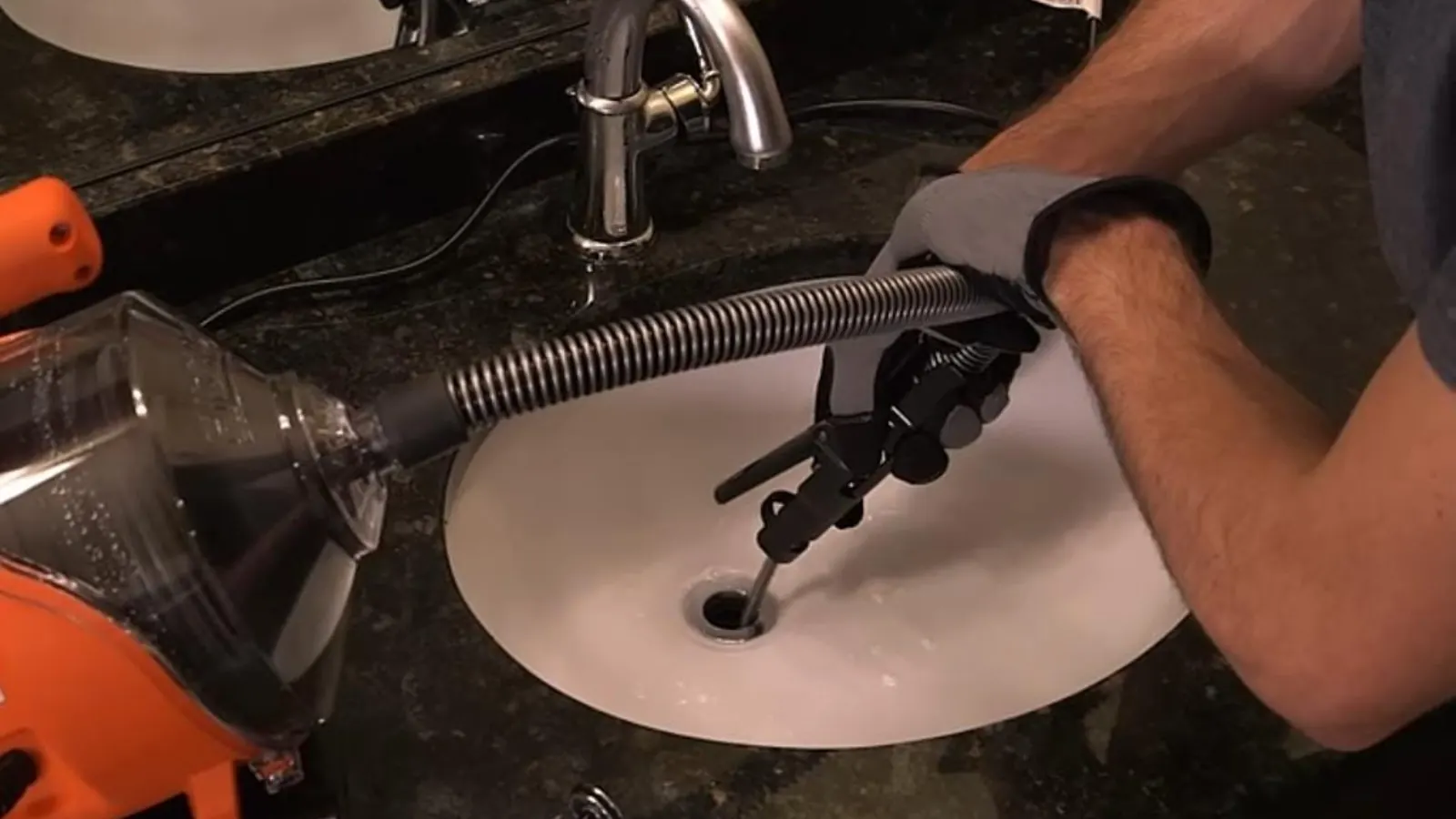
Kitchen lines clog with grease that cools and hardens a few feet past the trap, along with coffee grounds and food scraps. The first symptom is a sink that drains slowly after every wash, and the plug builds until the line stops. A cable with a cutting head scrapes that coating off the pipe wall instead of just poking a hole through it.
Showers and tubs clog differently. Hair binds with soap residue and wraps around the drain strainer and the first bend of the trap. Pulling the stopper and clearing the visible tangle fixes some of them. When the water still stands, the plug is further down and needs a small drum cable.
A drain line leak is a third, quieter cause. A cracked or separated joint lets waste escape into the wall or crawlspace, and the pipe clogs again soon after it is cleared. If a line backs up repeatedly in the same place, we run a camera before cleaning it a third time. See our sewer camera inspection page for how that works.
Drains in Lake Stevens homes
Lake Stevens grew from 6,361 residents in 2000 to 28,069 in 2010, so a large share of its houses are newer builds with plastic drain pipe. Plastic resists corrosion but not grease, wipes or tree roots, so clogs in these homes are usually caused by what went down the drain, not by pipe age.
Older homes around downtown and the lake date from the resort and commuter decades after the city incorporated in 1960. Those houses can still have cast iron or clay in the drain run, with rough interior walls that catch debris. Where your private line meets the public main depends on your property, and the Lake Stevens Sewer District can tell you where its responsibility ends.
Water backing up into the house? Call now and tell dispatch which fixtures are affected.
Call (360) 371-6092Which method clears which clog
We choose the lightest tool that will fully clear the line. Heavier equipment costs more and is only worth it when the lighter one cannot reach the cause.
| Method | Best for | Limit |
|---|---|---|
| Plunger or closet auger | A single toilet or sink within the first few feet of pipe | Does not reach the main line |
| Hand-crank or drum cable | Hair, soap and grease plugs in branch drains | Pokes a hole through heavy buildup instead of removing it |
| Cable with a cutting head | Roots and hard scale in the main line | Needs a cleanout or a pulled toilet for access |
| Hydro jetting | Grease, silt and repeat clogs along the full pipe wall | Not for cracked or collapsed pipe |
If a line keeps clogging after cabling, the next step is a camera view, then jetting or a repair. Our hydro jetting service page explains when water scouring is the better choice.
How a drain service visit runs
- Locate the plugWe ask which fixtures are affected, then find the nearest cleanout or open the trap.
- Clear itThe cable or jetter runs until the line flows freely, and we check with water.
- Check the causeIf roots, a sag or a crack are suspected, we recommend a camera inspection.
- Quote before repairAny repair beyond clearing is priced and explained before we begin.
Code and standards behind drain work
Washington follows the Uniform Plumbing Code (UPC) with state amendments, published as WAC 51-56. For drains, the code sets how traps, vents and cleanouts are arranged, which is why a plumber looks for a cleanout before cutting into a line. Clearing a clog normally does not need a permit, but replacing drain pipe can, so ask the City of Lake Stevens building department.
What changes the price of drain cleaning
A clear price comes before the work starts. These are the factors that move it.
Most homeowner policies cover sudden water damage but not the pipe itself or the cost of clearing a clog. Check with your insurer if water has reached flooring. For your own number, call (360) 371-6092.
Questions we hear
Do you handle drain emergencies at night or on weekends in Lake Stevens?
Yes. Our dispatch line answers around the clock, and after-hours drain calls are quoted before work starts. Tell us which fixtures are backing up so the right cable or jetter goes on the truck.
Is it safe to use chemical drain cleaner first?
We advise against it. The chemicals sit in standing water, can burn skin and eyes, and leave the plumber working in caustic liquid. Plunge once, then call.
Why does my kitchen sink keep clogging?
Grease that cools inside the pipe is the usual cause. A cable with a cutting head removes the coating, and hot water alone does not. Running cold water while the disposal runs helps keep grease moving.
How do I know if it is the main line?
If more than one fixture is slow, or a floor drain or the lowest toilet backs up first, the blockage is probably in the main line rather than a single branch.
Can you tell me why a drain keeps backing up?
Yes. After clearing a repeat clog we can run a camera through the line to look for roots, a low spot or a crack. See sewer inspection for what the camera shows.
Drain still slow after a plunger? Call and we will tell you whether it is a quick cable job or a main-line problem.
Call (360) 371-6092